New details about the behind-the-scenes agreement between Donald Trump and Vladimir Putin to increase Russian oil exports to the US and international markets have been made public by Axios.
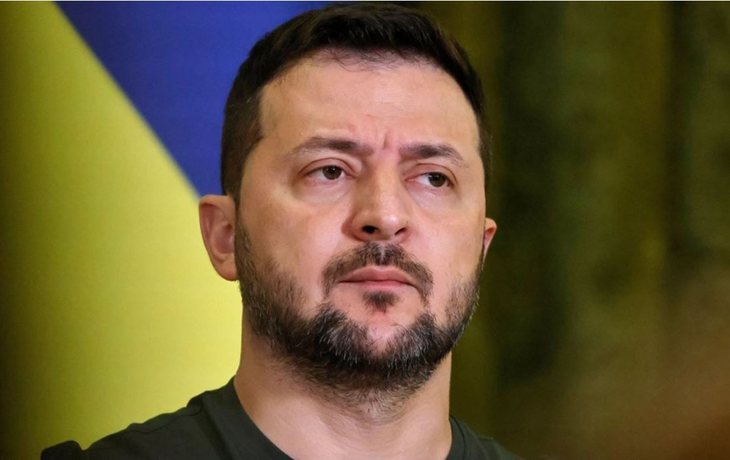
According to the report, the US president's decision is directly related to Volodymyr Zelensky's refusal to stop Ukrainian attacks on Russian refineries.
According to a US official with direct knowledge of the discussions, Trump decided to proceed with the deal with Putin after Kiev failed to respond to about six US demands to stop attacks on Russian oil processing facilities.
The deal, announced by Trump himself, provides for the delivery of more than 300,000 tons of Russian oil and the easing of some US sanctions on Russian energy exports. The announcement drew a sharp reaction from Zelensky, who called the agreement “unfair” and “dishonest,” arguing that it gives Moscow economic breathing room while the war continues.
Zelensky is misreading the situation
The US official who spoke to Axios claimed that Ukraine's insistence on attacking Russian refineries has caused discontent in the White House.
According to the same source, Zelensky is "misreading the situation," as the continued attacks are damaging the good relationship he had built with Trump over recent months.
Ukrainian attacks on Russian energy facilities have been particularly effective, limiting Russia's oil refining capacity and causing problems in the domestic fuel market. Moscow responded by restricting oil exports, adding to pressure on the international market, which is already struggling due to the war in Iran.
According to the report, the impact of developments in fuel prices in the US appears to have been one of the main factors in Trump's decision.
Axios writes that the US president had asked Kiev to unilaterally stop attacks on Russian refineries, as he believed they were contributing to rising prices paid by American consumers.
Zelensky's proposal that Trump rejected
Zelensky had proposed to Trump, as well as US envoys Steve Witkoff and Jared Kushner, a reciprocal agreement on energy infrastructure.
Specifically, he had stated that Ukraine was ready to stop attacks on Russian refineries if Russia stopped striking Ukrainian power plants.
Megjithatë, Trump nuk e pranoi këtë propozim. Sipas zyrtarit amerikan, presidenti i SHBA-së nuk i konsideronte të barasvlershme dy kategoritë e sulmeve dhe kërkonte që Kievi t’i ndalte goditjet pa i kushtëzuar ato me një angazhim të ngjashëm nga Moska.
Prapaskenat e bisedimeve tetë orëshe në Miami
Tensionet arritën kulmin gjatë bisedimeve të së premtes në Miami. Gjatë rreth tetë orëve diskutime, Steve Witkoff dhe Jared Kushner informuan delegacionin ukrainas se Donald Trump do të zhvillonte një bisedë me Vladimir Putinin dhe se kishte ndërmend të lehtësonte sanksionet ndaj eksporteve ruse të naftës dizel.
Sipas Axios, negociatorët amerikanë u thanë përfaqësuesve ukrainas se vendimi ishte marrë pasi Kievi nuk iu përgjigj thirrjeve të përsëritura të Uashingtonit për t’i dhënë fund sulmeve ndaj rafinerive.
Një zyrtar ukrainas pretendoi madje se gjatë diskutimeve ishte paralajmëruar mundësia që Trump të ndërpriste shkëmbimin e informacionit të inteligjencës amerikane me Ukrainën, nëse do të vijonin të njëjtat taktika. Pala amerikane mohon se është bërë një kërcënim i tillë.
Sipas zyrtarit amerikan, Witkoff dhe Kushner rikujtuan se SHBA-ja i siguron Ukrainës armë dhe informacione të inteligjencës. Ata argumentuan se, në kuadër të këtij bashkëpunimi, Kievi nuk duhet të ndërmarrë veprime që rëndojnë barrën mbi konsumatorët amerikanë.
Siç u shpreh i njëjti burim, sulmet ndaj rafinerive “i shkaktojnë dhimbje Rusisë, por i shkaktojnë dhimbje edhe SHBA-së”.
Marrëveshja u arrit ndërsa diskutoheshin përpjekjet për t’i dhënë fund luftës
Mosmarrëveshja për naftën u shfaq në një moment kur të dërguarit amerikanë kishin nisur një raund të ri bisedimesh me zyrtarë ukrainas dhe evropianë për një marrëveshje të mundshme për t’i dhënë fund luftës.
Në qendër të diskutimeve në Miami ishin garancitë e sigurisë që SHBA-ja, Evropa dhe NATO-ja mund t’i ofrojnë Ukrainës në kuadër të një marrëveshjeje të ardhshme.
Palët diskutuan gjithashtu propozime të reja për çështjet territoriale, si dhe një plan më të gjerë për periudhën pas luftës në Ukrainë. Ky plan do të përfshinte financimin e rindërtimit, rimëkëmbjen e Forcave të Armatosura ukrainase dhe mënyrat për të përballuar deficitin buxhetor të shkaktuar nga lufta.
Në tryezë ishin edhe një udhërrëfyes për anëtarësimin e Ukrainës në Bashkimin Evropian, marrëdhënia e saj e ardhshme me NATO-n dhe mundësia e krijimit të një kuadri të ri sigurie mes Evropës dhe Rusisë.
Witkoff dhe Kushner paraqitën gjithashtu marrëveshje të mundshme energjetike me Rusinë, për të cilat Uashingtoni beson se mund të ndihmojnë në uljen e çmimeve ndërkombëtare të energjisë dhe, njëkohësisht, të shërbejnë si nxitje që Moska të bëjë lëshime në negociatat e paqes.
Putini nuk u angazhua për rifillimin e negociatave
Pavarësisht marrëveshjes për naftën dizel, Vladimir Putin nuk u angazhua për rifillimin e menjëhershëm të negociatave me Ukrainën.
During a roughly 90-minute phone call with Trump, the Russian president avoided giving a concrete answer regarding returning to the negotiating table.
His foreign policy adviser, Yuri Ushakov, argued that the recent Ukrainian attacks on Moscow and other Russian cities, during parliamentary elections in Russia, "undermine the possibility of an immediate resumption of the negotiation process."
According to Ushakov, Putin stated that Moscow "will think about when negotiations can resume."
Despite the new tensions between Washington and Kiev, Witkoff and Kushner are considering the possibility of traveling to Moscow and Kiev next week to continue contacts on the new American plan.
However, the Russian oil deal opens a new front in the already difficult negotiations. Ukraine believes that easing energy sanctions will strengthen Russia economically, while the Trump administration prioritizes curbing U.S. fuel prices and is trying to use energy deals as a bargaining chip against Moscow.