

The Albanian economy grew by 3.61 percent in the second quarter of 2026, compared to the same period a year earlier, according to data published by INSTAT.
The growth was spread across several sectors of the economy, but the largest contribution to GDP expansion came from public administration, education and health, as well as net taxes on products.
The data show that the public administration, education and health group added 1.38 percentage points, while net taxes contributed 1.13 percentage points. Together, these two components explain about 70% of the growth.
Other sectors such as trade, transport, accommodation and food services also recorded growth. Although construction continues to record growth, its contribution to GDP was lower compared to periods when it was considered a growth engine. While some other sectors such as agriculture and some export-related activities recorded a decline.
Despite the largely positive parameters, economic experts say the problem lies in the quality and composition of this growth, raising questions about whether current growth is being accompanied by sufficient expansion of production capacities and investments to guarantee sustainable growth.
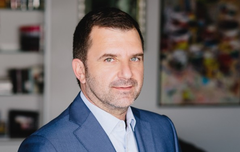
Eduart Gjokutaj, head of the ALTAX organization with a focus on transparency and sustainable development policies, says that the organization's economic analyses see the problem in the 'quality and composition' of this growth.
"This current architecture of the economy is adding volume, but it is not expanding the 'columns' and strengthening the foundations further," he told BIRN.
So, according to Gjokutaj, growth is not relying mainly on the expansion of private production capacities, but in a significant part comes from the public sector and the fiscal component of GDP.
"In the methodology of calculating GDP according to the production method, GDP is the sum of gross value added plus taxes on products minus subsidies. Their increase may mathematically increase the contribution, but this increase does not constitute the creation of new production capacity," he argues.
This, according to Gjokutaj, is a picture that is confirmed by the contribution of other sectors, where trade, transport, accommodation, construction and food services increased, while agriculture and some export activities with an impact on the labor market declined.
Nga ana tjetër, sugjeron ai, të dhënat tregojnë se burimet reale të rritjes sot janë më shumë të lidhura me konsumin, shërbimet, turizmin, pasuritë e paluajtshme, sektorin publik dhe zgjerimin e të ardhurave fiskale, sesa me një cikël të fuqishëm investimesh prodhuese.
Por Gjokutaj vëren një mospërputhje mes rritjes së të ardhurave fiskale dhe bazës prodhuese të ekonomisë, pasi sipas tij, “të ardhurat fiskale janë rritur më shpejt se rritja e bazës produktive që i gjeneron ato”.
Edhe për ekonomistin Klodian Muço të dhënat e INSTAT tregojnë disa aspekte interesante të sektorëve që ndikojnë në rritjen ekonomike, ndërsa konsideron si problematike faktin që nuk shënon rritje sektorët e prodhimit.
“Mund të themi që konsumi ka vazhduar të rritet dhe ky është një tregues pozitiv dhe punësimi ndoshta i shtyrë nga turizmi përsëri ka performuar pozitivisht dhe rritja nga ky sektor performon pozitivisht. Po ashtu mbështetja e investimeve ekonomike është gjithsesi tregues pozitiv, por a është ky një tregues i qëndrueshëm?”- i tha ai BIRN.
“Sigurisht që rritja ekonomike e preferuar do të ishte ajo e rritjes së prodhimit”- shtoi ai.
Sipas Muços, rritja ekonomike e bujqësisë është negative, ndërsa kontributi i industrisë nxjerrëse është i papërfillshëm dhe ndryshe nga herët e tjera edhe sektori i ndërtimit nuk ka kontribut të rëndësishëm.
Nevoja për politika që nxisin prodhimin
Të dhënat e INSTAT tregojnë se sektori i bujqësisë vijon të shënojë rënie në tremujorin e dytë, duke u tkurrur me 2.29% në terma vjetorë dhe duke dhënë një kontribut negativ prej 0.38 pikë përqindje në rritjen e PBB-së.
Ndërsa industria u rikthye në rritje por ndikimi i saj në ekonominë e përgjithshme mbeti i kufizuar, me vetëm 0.05 pikë përqindje.
Për ekspertët e ekonomisë mungojnë politikat nxitëse për këto sektorë që kanë ndikim më të qëndrueshëm dhe më afatgjatë në rritjen ekonomike.
“Politikës i mungon lidhja e fortë midis të ardhurave fiskale dhe krijimit të kapacitetit të ri ekonomik”- tha Gjokutaj, duke shtuar se politika duhet të heq dorë nga ideja e realizimit të të ardhurave buxhetore, pasi më urgjente është transformimi i të ardhurave në produktivitet, investime dhe kapital njerëzor.
“Prioritetet që duhet të shoqërojnë edhe projektbuxhetin 2027 duhet të jenë rritja e cilësisë së investimit publik dhe disiplina buxhetore (infrastrukturë, energji, digjitalizim), shoqërimi i rritjes së pagave me rritjen e produktivitetit, kalimi nga pasuritë e paluajtshme drejt investimeve produktive, zgjerimi i bazës ekonomike (bujqësi, industri, shërbime profesionale) dhe së fundmi matja e politikës fiskale sipas rezultatit, jo sipas planit buxhetor”- sugjeron ai.
Për Gjokutajn, rritja e të ardhurave tatimore nga rritja e konsumit, pagave, importeve dhe aktivitetit nominal, në kushtet kur kapaciteti prodhues dhe produktiviteti janë rritur shumë më ngadalë, mund të ketë forcuar buxhetin e shtetit, por nuk kanë arritur të përdoren efektivisht për fuqizimin e bazës prodhuese me të njëjtin ritëm.
In this context, Gjokutaj argues that the current model must gradually shift from growth driven by demand, consumption and public activity, towards a model based on productivity and investment.
Economist Muço also considers as stimulating policies for long-term growth those that affect sectors that have not performed positively.
"In terms of long-term growth, policies are needed that stimulate increased production, the automation of production processes, and support for the agricultural sector through subsidies and grants is needed," he says.
According to him, of course, the 'sovereign guarantee' or the 'double your business' initiative are necessary positive policies, but not sufficient to provide solutions to the problems faced by sectors such as agriculture, the textile industry or the tailoring sector. /Taken from Reporter.al