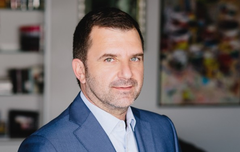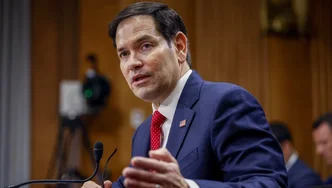


Russia is using a wide range of hybrid actions to weaken the will of countries that continue to support Ukraine, NATO's Supreme Allied Commander Europe, Alexis Grinkevich, warned during his testimony before European parliamentarians on Monday.
According to Grinkevich, Moscow is trying to sow doubts, increase pressure on European governments and, ultimately, influence their determination to continue supporting Kiev.
He stressed that the response to this strategy should not be withdrawal, but strengthening the political will to support Ukraine.
"If there is a hybrid attack on your country, strengthening the will to support Ukraine will show the Russians that their strategy is not working and will probably make them retreat from this strategy," Grinkevich said.
The NATO Supreme Commander also stressed the importance of publicly assigning responsibility for hybrid attacks. He called on member states, when they have sufficient evidence and a high degree of certainty about the origin of an attack, to publicly name the state responsible.
According to him, publishing the identity of those behind these actions could serve as a preventive measure, increasing the political costs for the states that organize, support, or facilitate them.
Grinkevich underlined that Ukraine's allies should not allow hybrid operations to undermine their cohesion or limit continued support for Kiev.
His statements come at a time when concerns have increased in Europe about hybrid threats, including cyberattacks, acts of sabotage and other operations that European governments and security services have repeatedly linked to Russia or networks suspected of acting in its interests.